From the Archives: The Last Period - Automotive Humor from 1926
Originally published by a Long Island Lincoln dealer and later reprinted by Earle C. Anthony, this unusual booklet reveals the lighter side of the luxury automobile industry.
Most automobile literature is designed to impress. Brochures tout engineering innovations, elegant styling, and the latest advancements in motoring. The goal is simple: convince prospective buyers that one car stands above all others.
The Last Period takes a different approach.
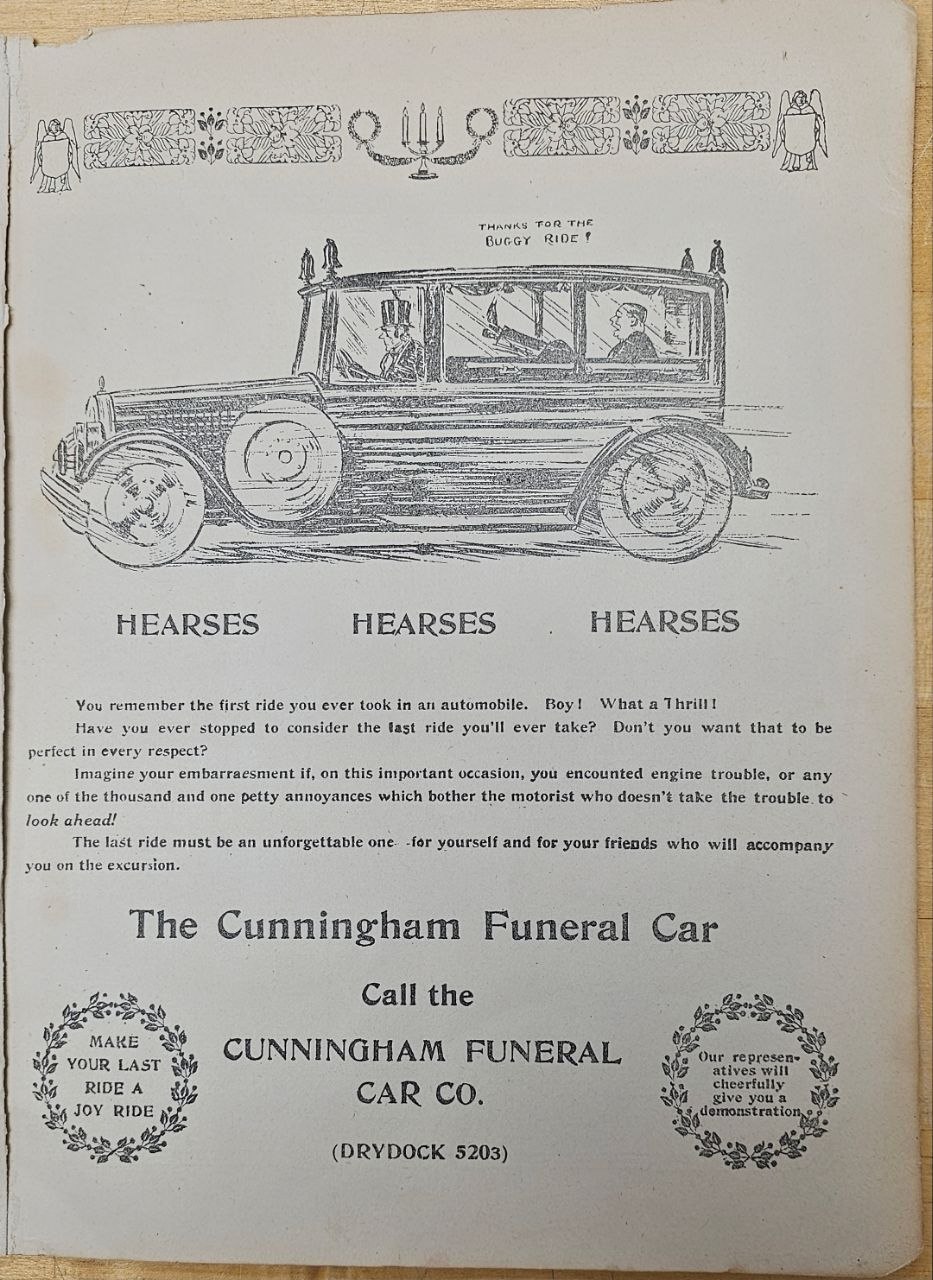
Published in 1926 by Roslyn Motors, Inc., a Long Island Lincoln dealer, the small booklet is a humorous parody of the automobile industry’s most prestigious brands. Filled with cartoons, mock advertisements, and tongue-in-cheek commentary, it offers a rare glimpse into how dealers and enthusiasts viewed the luxury automobile market during the Roaring Twenties.
The title itself remains something of a mystery. The Last Period appears intended to serve as the final word—or perhaps the final joke—on the official automobile salon programs of the day. The booklet describes itself as a “burlesque” of the Auto Salon program, making it less a sales catalog and more a playful satire aimed at readers already familiar with the automobile world.
What makes this particular example especially noteworthy is its connection to Earle C. Anthony. A note printed on the second page explains that the booklet was reprinted in 1927 by Earle C. Anthony, Inc., one of the most influential automobile distributorships in the United States. Anthony’s company specifically credited Roslyn Motors as the original publisher, suggesting the booklet had become popular enough to merit a wider audience.
Inside, few automotive sacred cows are spared.
The booklet pokes fun at many of the era’s most prestigious marques, including Lincoln, Cadillac, Rolls-Royce, Pierce-Arrow, Franklin, Marmon, Chrysler, Stutz, Minerva, Hispano-Suiza, and others. Each receives a humorous treatment that exaggerates familiar advertising claims and industry rivalries.
A parody advertisement for Lincoln suggests the car contains all the refinements buyers have learned to appreciate in competing automobiles. Franklin’s famous air-cooled engines become the subject of exaggerated technical humor. Rolls-Royce, among the most expensive automobiles in the world, is presented almost as if it were an ordinary family car. Elsewhere, fictional histories and absurd specifications remind readers not to take the luxury automobile business too seriously.
Many of the jokes may seem obscure today, but they reveal how familiar readers had become with automobile advertising by the 1920s. More importantly, The Last Period offers something rarely found in automotive literature: a glimpse of the industry’s sense of humor. Behind the polished advertisements and luxury showrooms were people who appreciated a good joke—and weren’t afraid to make fun of the automobile business itself.